
Why The Greek Atlas exists
Jul 21, 2026 · 3 min readThis site exists because the numbers stopped matching.
Greece still carries a budget-Mediterranean reputation built on pre-2019 prices. Every July we come back and the gap is wider — not in one headline figure, but in the ordinary arithmetic of a family week: the dinner, the loungers, the fuel, the supermarket run. The internet describes a country that stopped existing some years ago, and it is not close.
We have spent four Julys in Greece — 2013, 2024, 2025, and 2026 — as a family, across the Saronic, the Ionian, the Peloponnese, the Cyclades, and the Athens coast. Every trip, the gap between what the guides said and what the receipts said got wider. The Greek Atlas is the reference I wished existed: what Greece actually costs and how it actually works, with a date and a place on every figure, covering only destinations we have stood in ourselves.
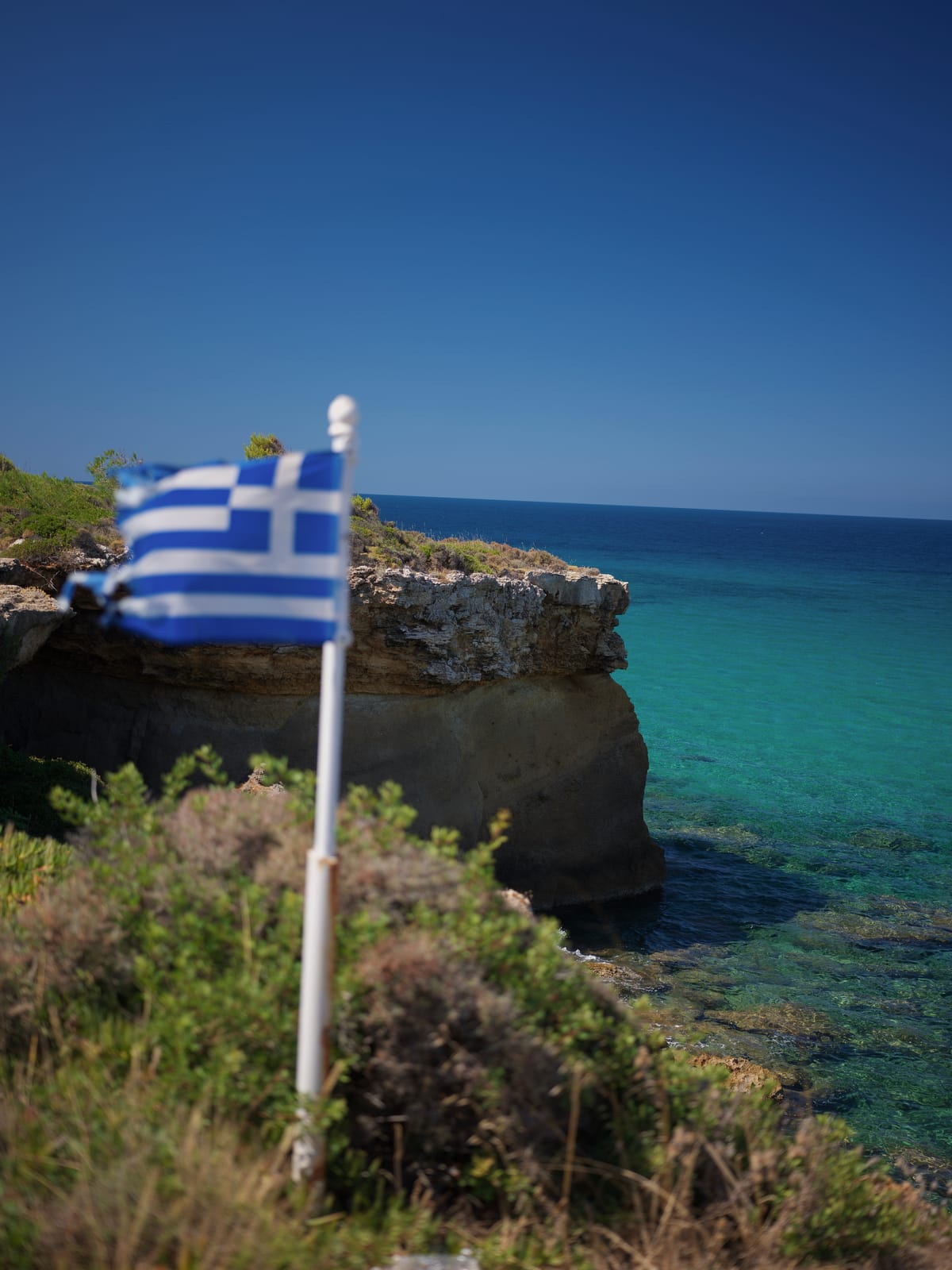
Two kinds of pages live here. The guides are evergreen — one question per page, revised in place as prices and rules change. This journal is the dated layer: trip notes, corrections, and what changed since last July. The guides are the reference; the journal is the record.
Start with what Greece actually costs, or pick a destination. Every price you find will tell you when and where it was paid — and if a page can't meet that bar yet, it doesn't publish.